If you attend one of our meetings, we often have quite a variety of aquatic plants for sale.
As a responsible organization, we need to comply with applicable Florida laws. The Florida Department of Agriculture and Consumer Services (FDAC) regulates aquatic plants. The list of prohibited plants may be found here.
Florida bans aquatic plants that spread rapidly, choke out native species, or block water flow and recreation, especially if they are difficult to control or have caused damage in similar climates.
FDAC has two classes of prohibited plants, one of which allows some plants to be kept with a permit only in nurseries. Practically, however, they are all prohibited in the aquarium hobby.
Terrestrial Plants… huh?
Oddly, the list includes some terrestrial plants such as:
Australian Pine
Paper bark tea tree
Brazilian Pepper
We have removed those from the list below since we doubt anybody will be growing pine trees in their tanks!
We have included prohibited bog and marginal plants since some FMAS members maintain ponds.
List of Prohibited Aquatic Plants
The scientific name is listed first followed by common name, if any. All images Public Domain, Wikimedia unless otherwise noted.
Alternanthera philoxeroides (Alligatorweed, green lead plant)
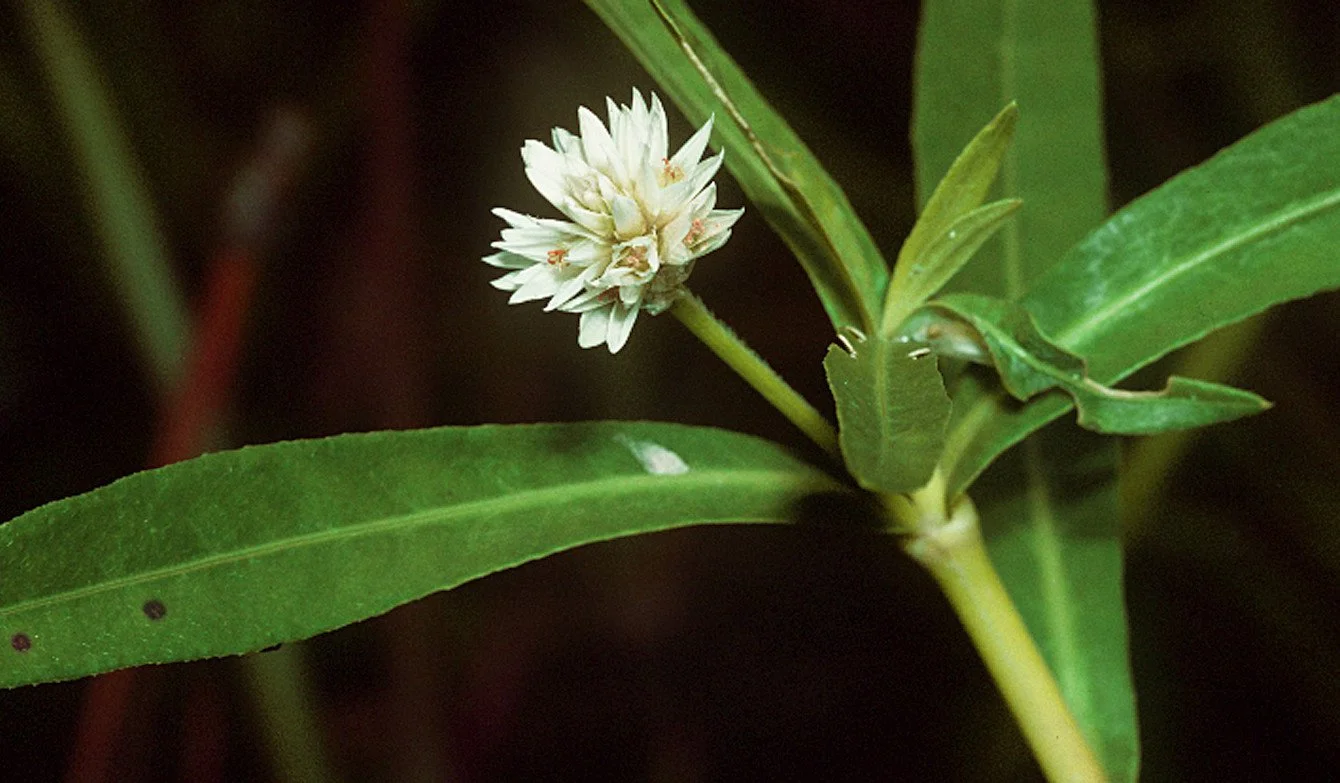
National Plant Data Center, Baton Rouge, LA 70874-4490 USA., Public domain, via Wikimedia Commons
Crassula helmsii (Swamp stone crop)
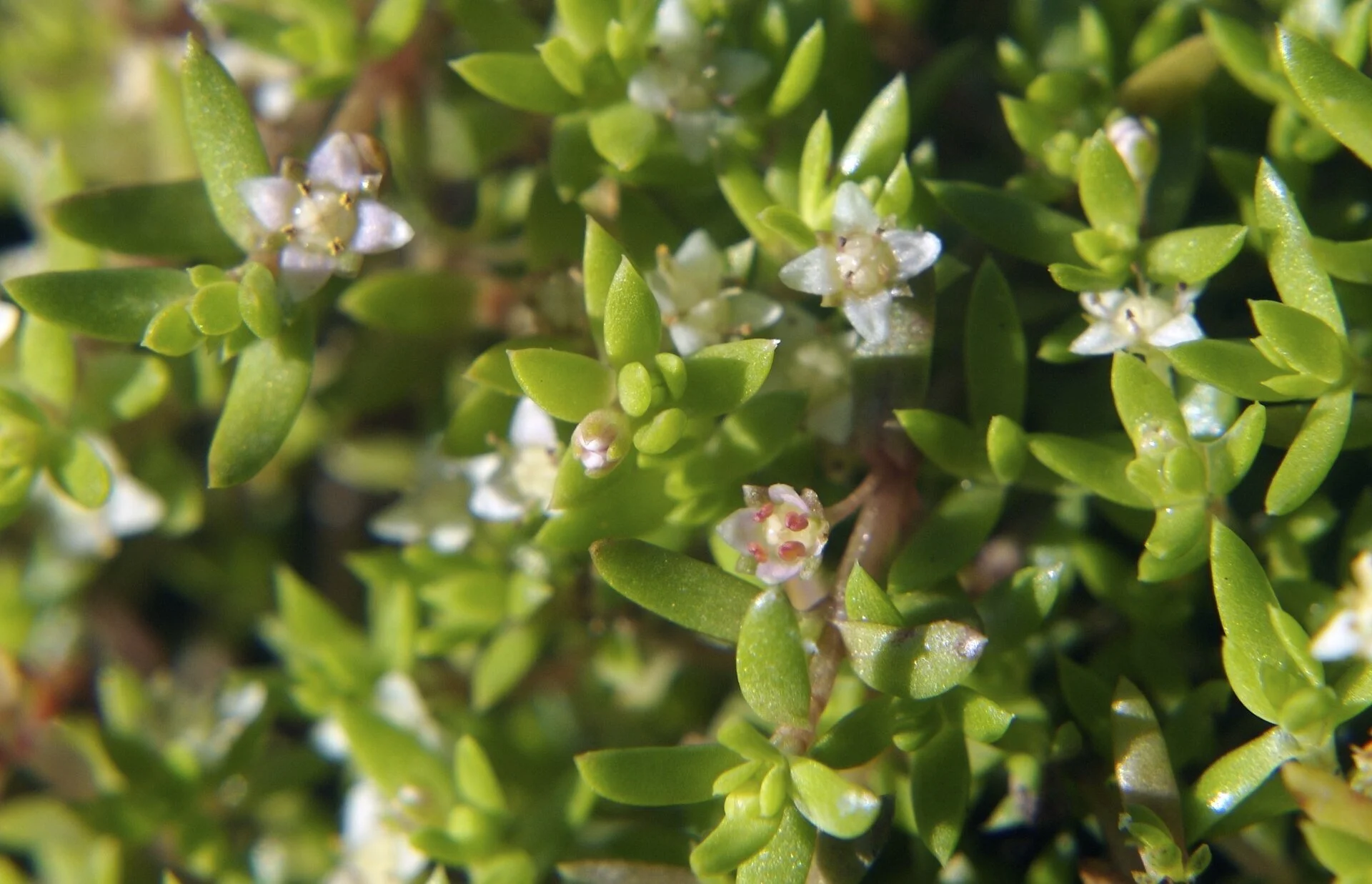
ashley BALSAM baz, CC BY 2.0, via Wikimedia Commons
Eichhornia spp. (Water hyacinth)
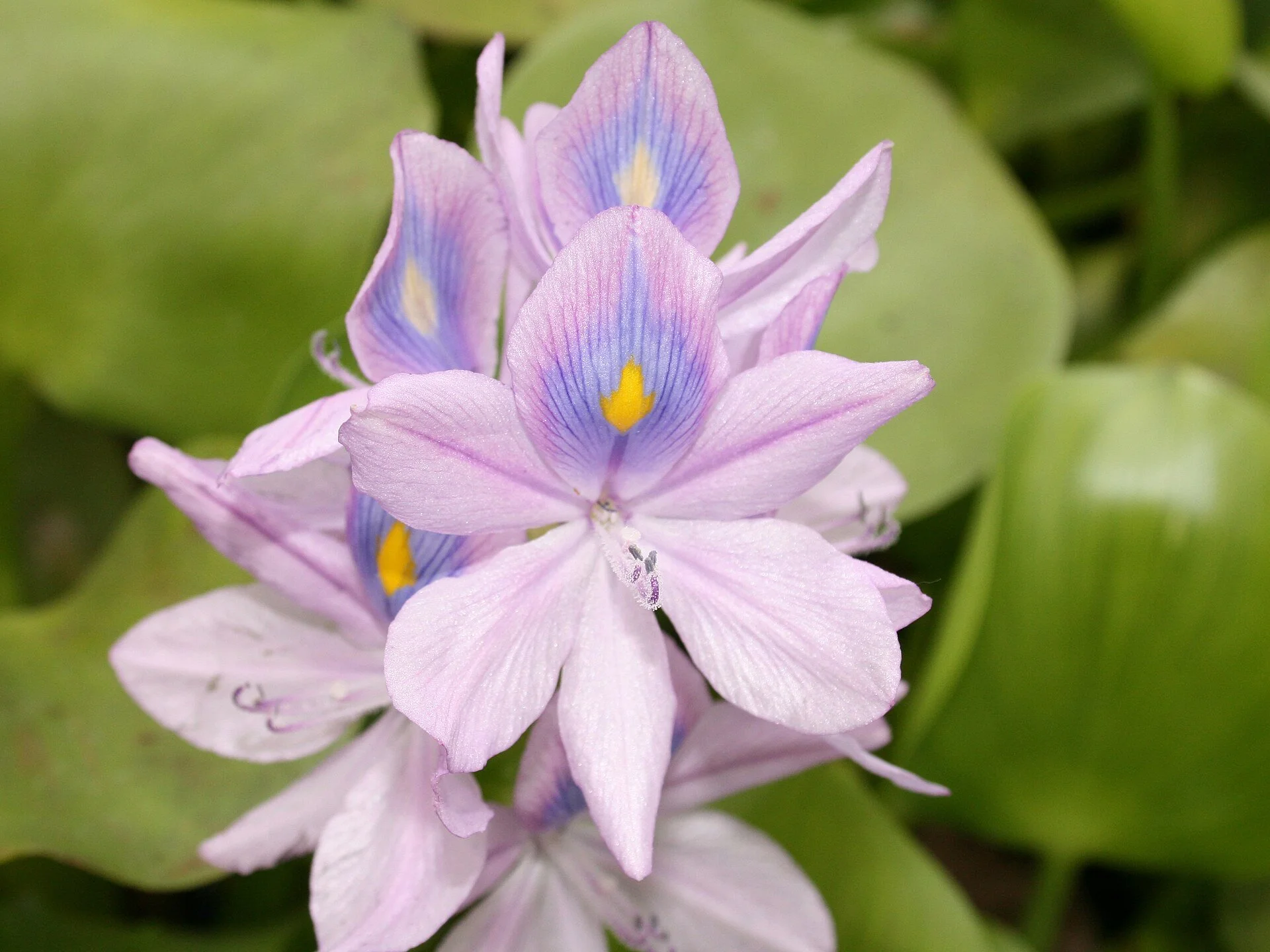
Muhammad Mahdi Karim, CC BY-SA 2.5, via Wikimedia Commons
Hydrilla verticillata (Hydrilla, Florida elodea, stargrass, oxygen grass)
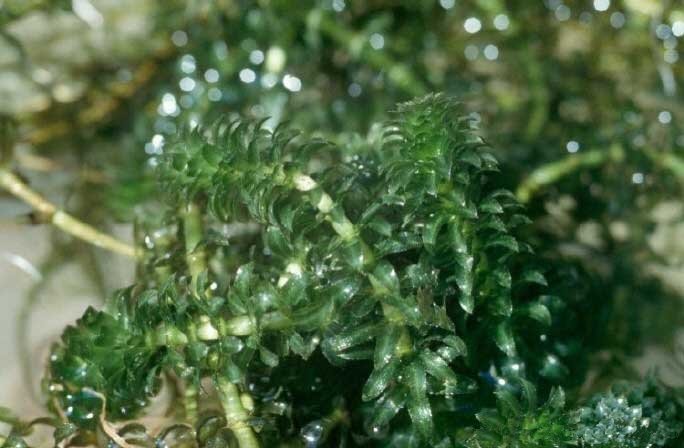
Hygrophila polysperma (Hygro)
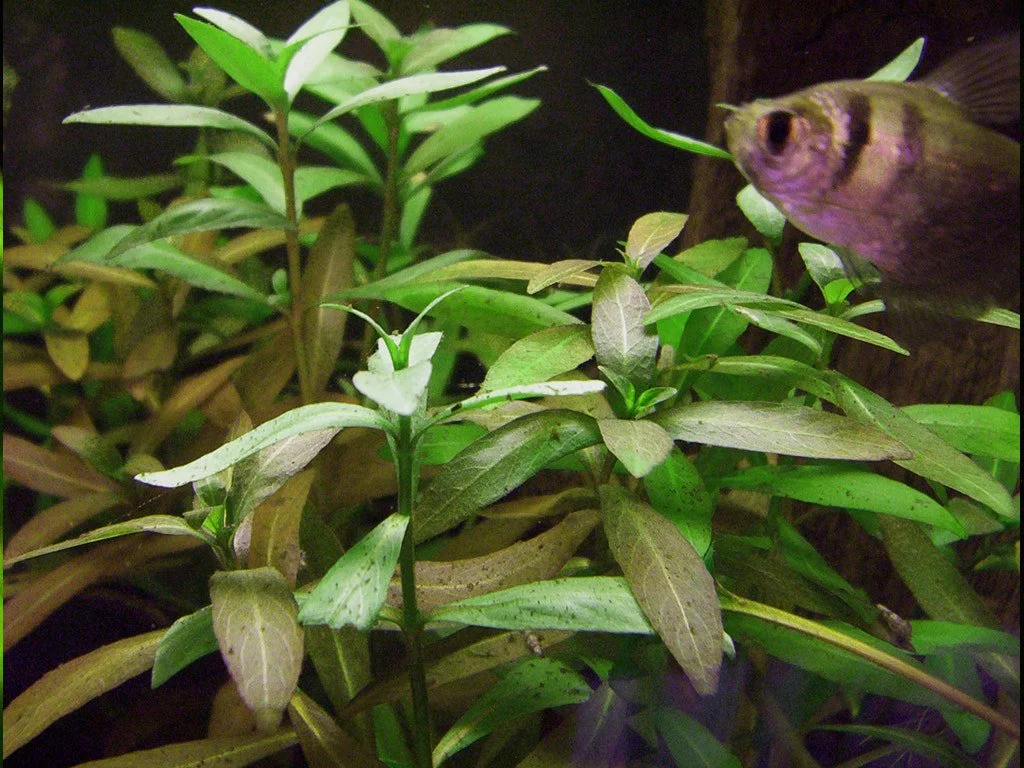
Dennis Lamczak, CC BY-SA 3.0, via Wikimedia Commons
Ipomoea aquatica (Water spinach)
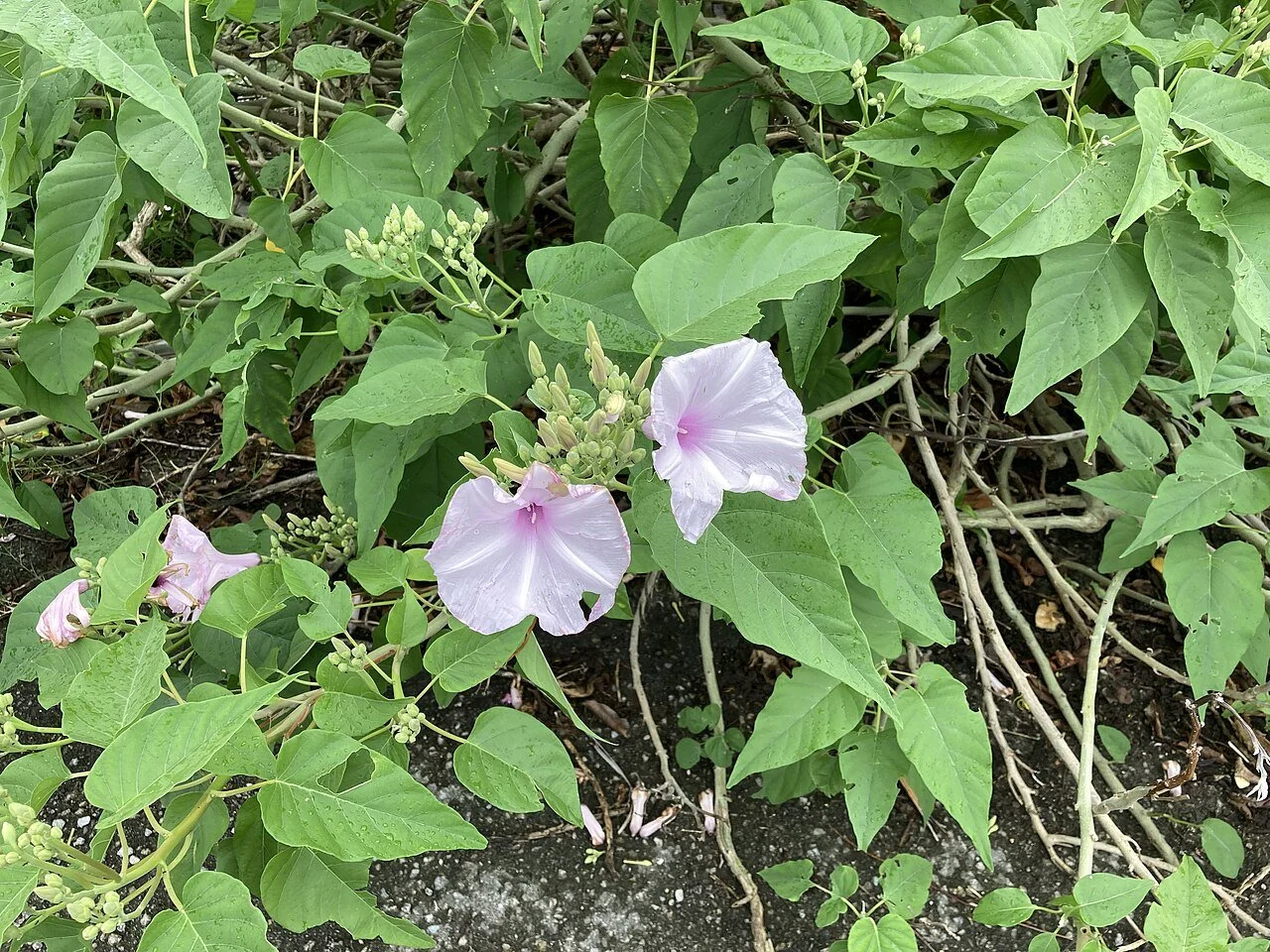
Eric Guinther, CC BY-SA 3.0, via Wikimedia Commons
Ipomoea fistulosa (Bush Morning Glory)
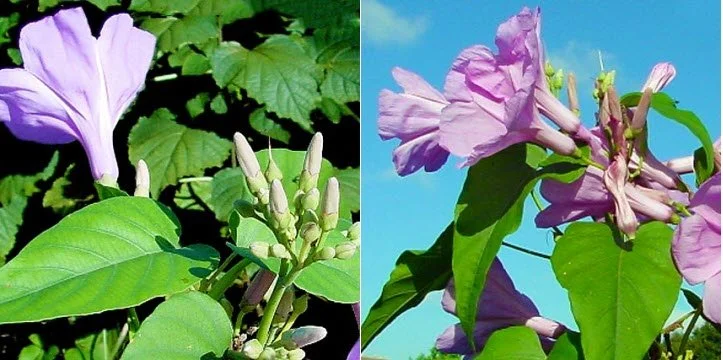
While not a true aquatic plant, this species does well in boggy conditions and pond margins. Photos Photograph by Allan Boatman, courtesy of Atlas of Florida Vascular Plants, DCAM Website
Lagarosiphon spp. (African elodea)
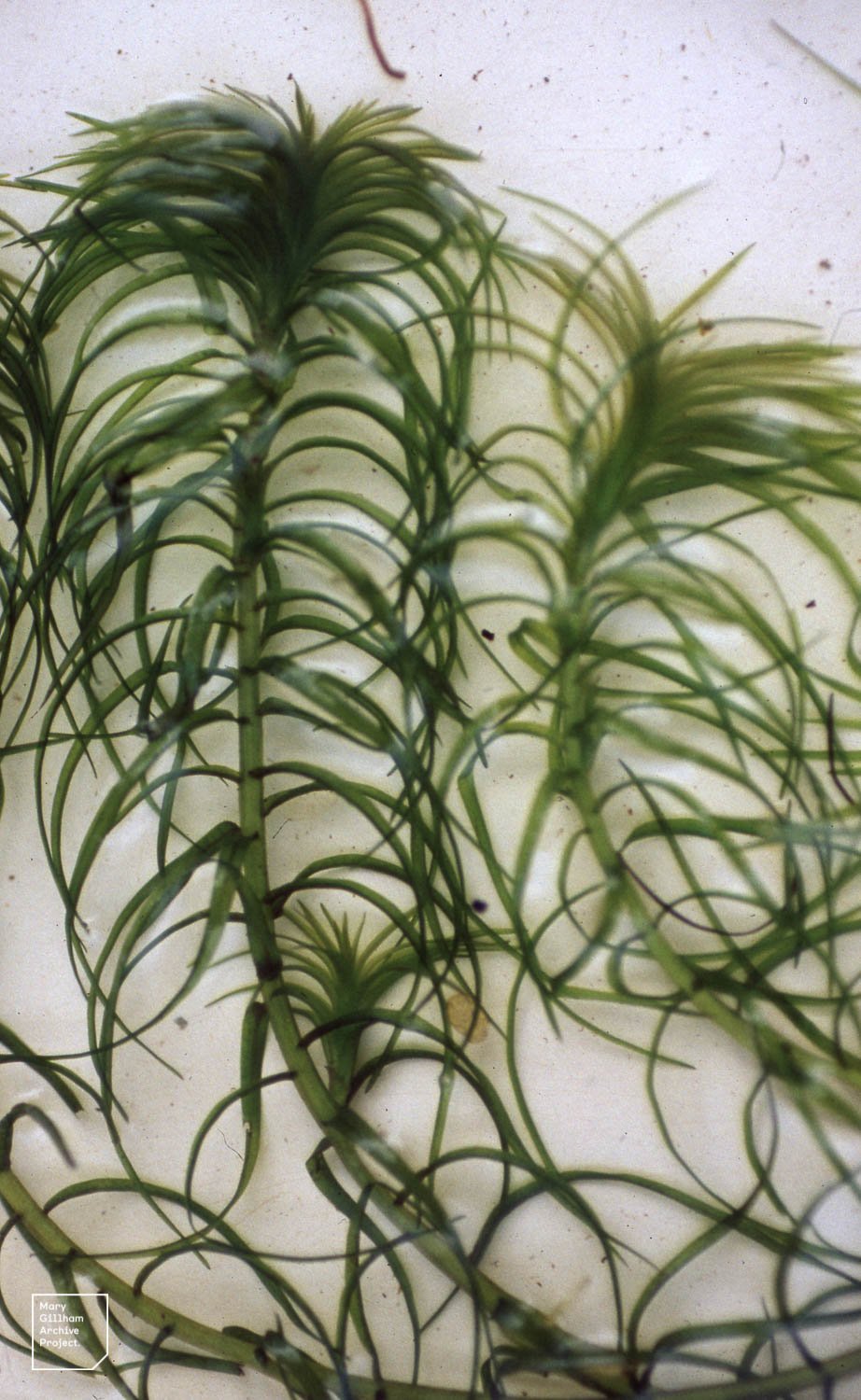
By Dr Mary Gillham Archive Project - Lagarasiphon major, Howardian, August 1992, CC BY 2.0, https://commons.wikimedia.org/w/index.php?curid=86569966
Limnocharis flava (Sawah flowing rush)
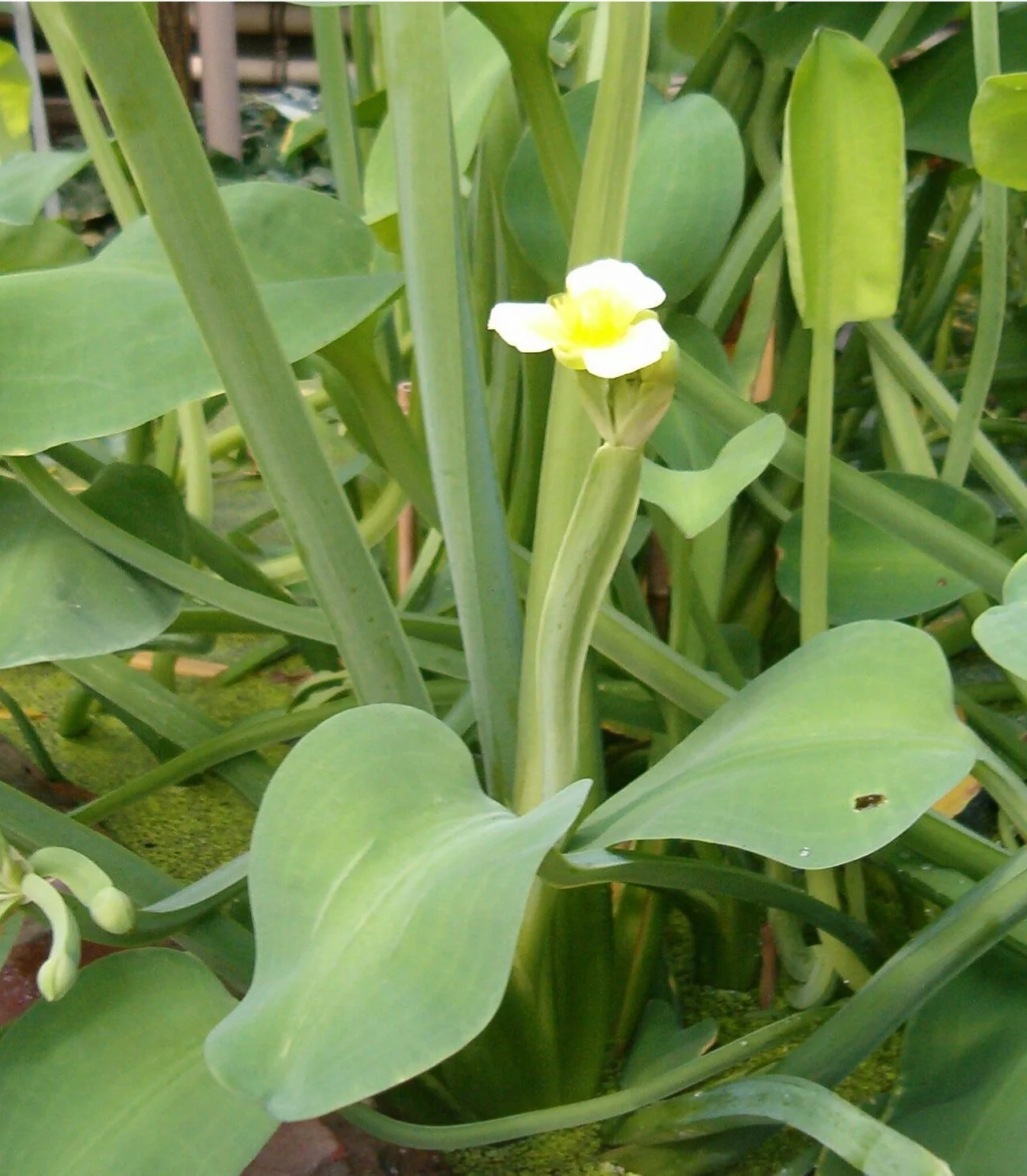
CC BY-SA 3.0, https://commons.wikimedia.org/w/index.php?curid=1228407
Limnophila sessiliflora (Ambulia)
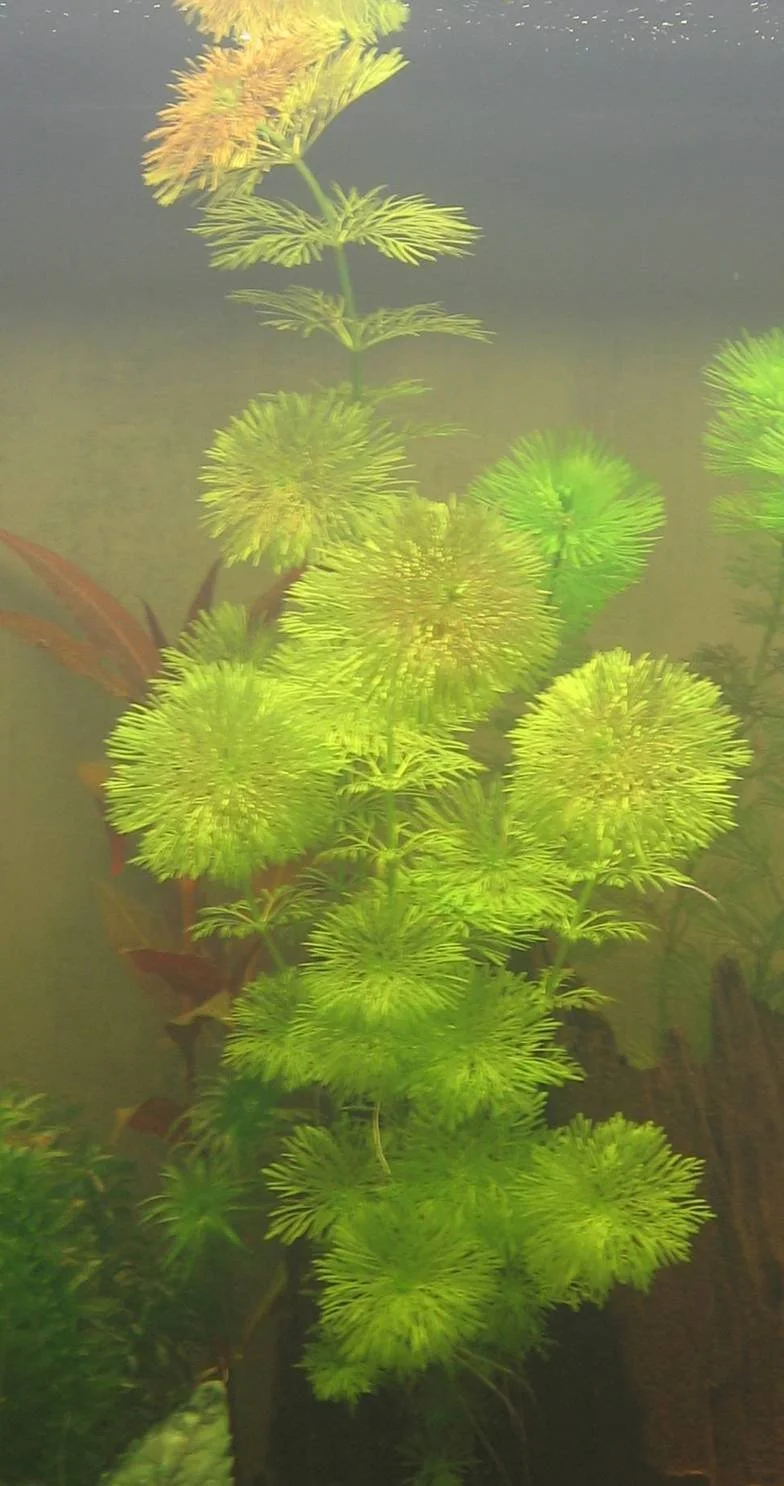
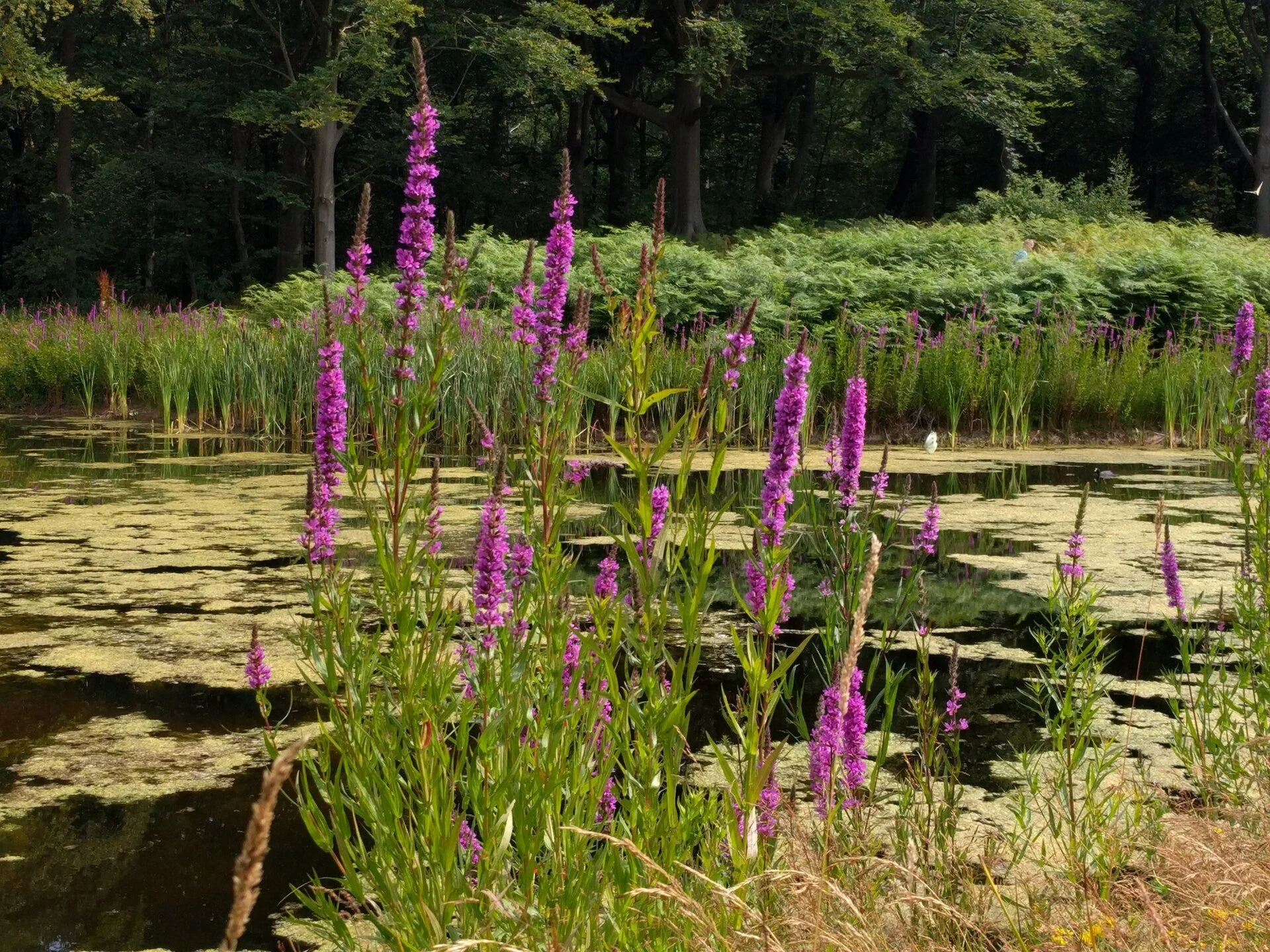
Lythrum salicaria (Purple loosestrife)
Mimosa pigra (Giant sensitive plant, cat's claw)
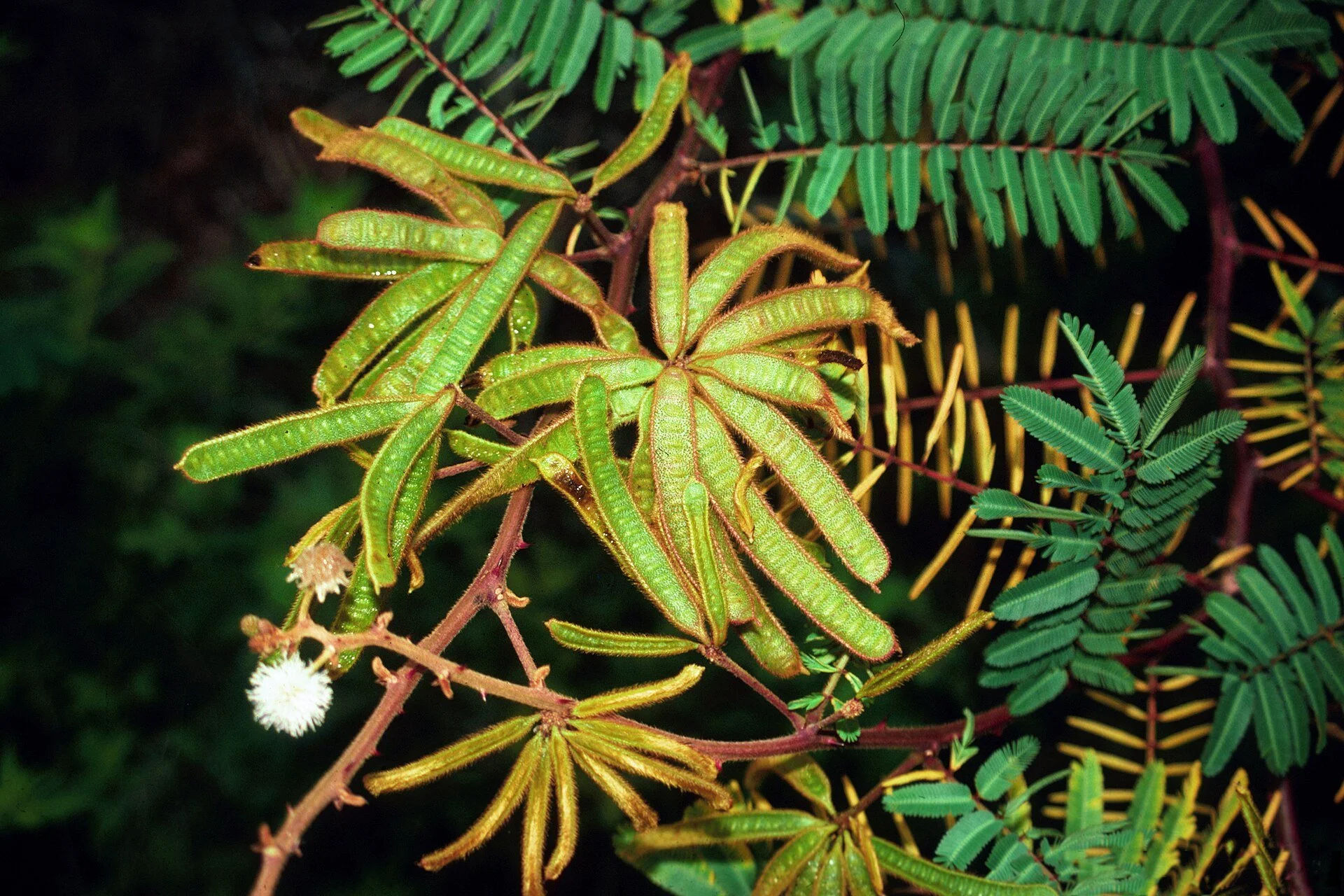
While not a true aquatic plant, this species thrives in marginal bog areas. It is listed as one of the Top 100 most invasive plants in the world.
Monochoria (Pontederia) hastata (Asian Water Lily)
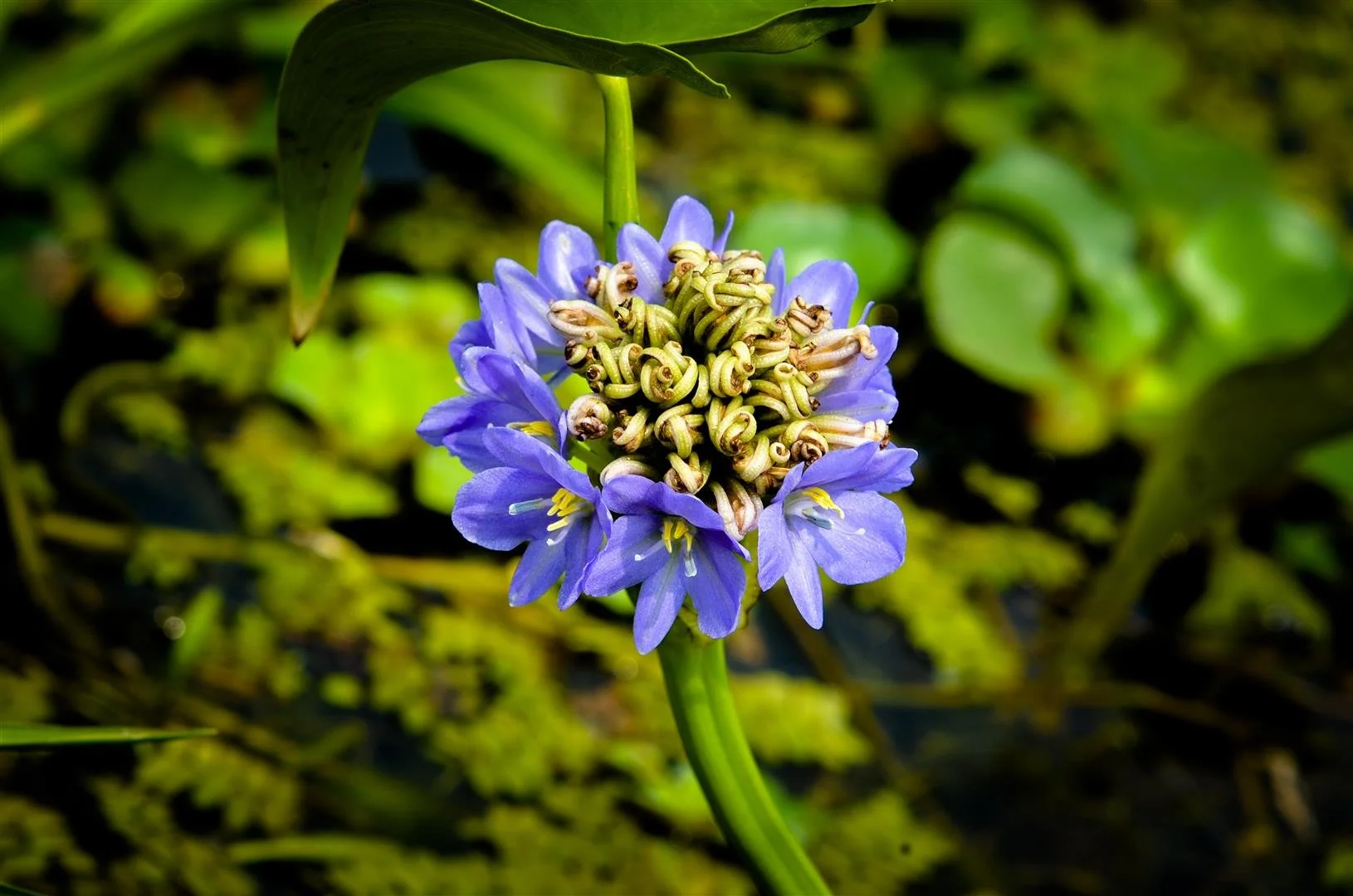
This plant is now in the genue Pontederia, but we have kept the original FDAC nomenclature.
By Ronok - Own work, CC BY-SA 3.0, https://commons.wikimedia.org/w/index.php?curid=32060542
Monochoria vaginalis
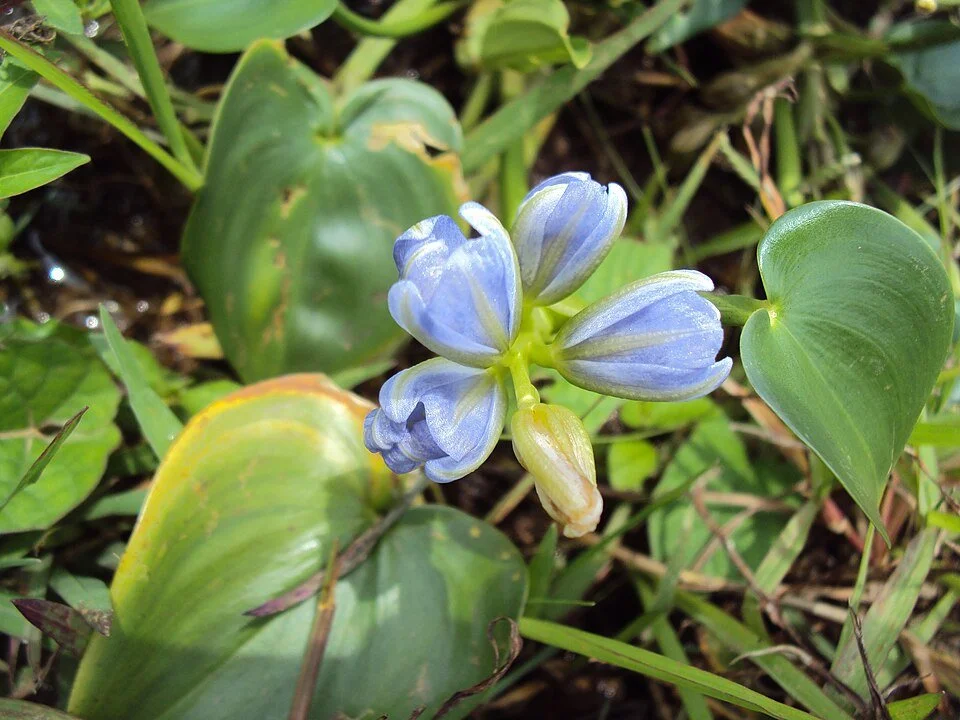
Vinayaraj, CC BY-SA 3.0, via Wikimedia Commons
Myriophyllum spicatum (Eurasian watermilfoil)
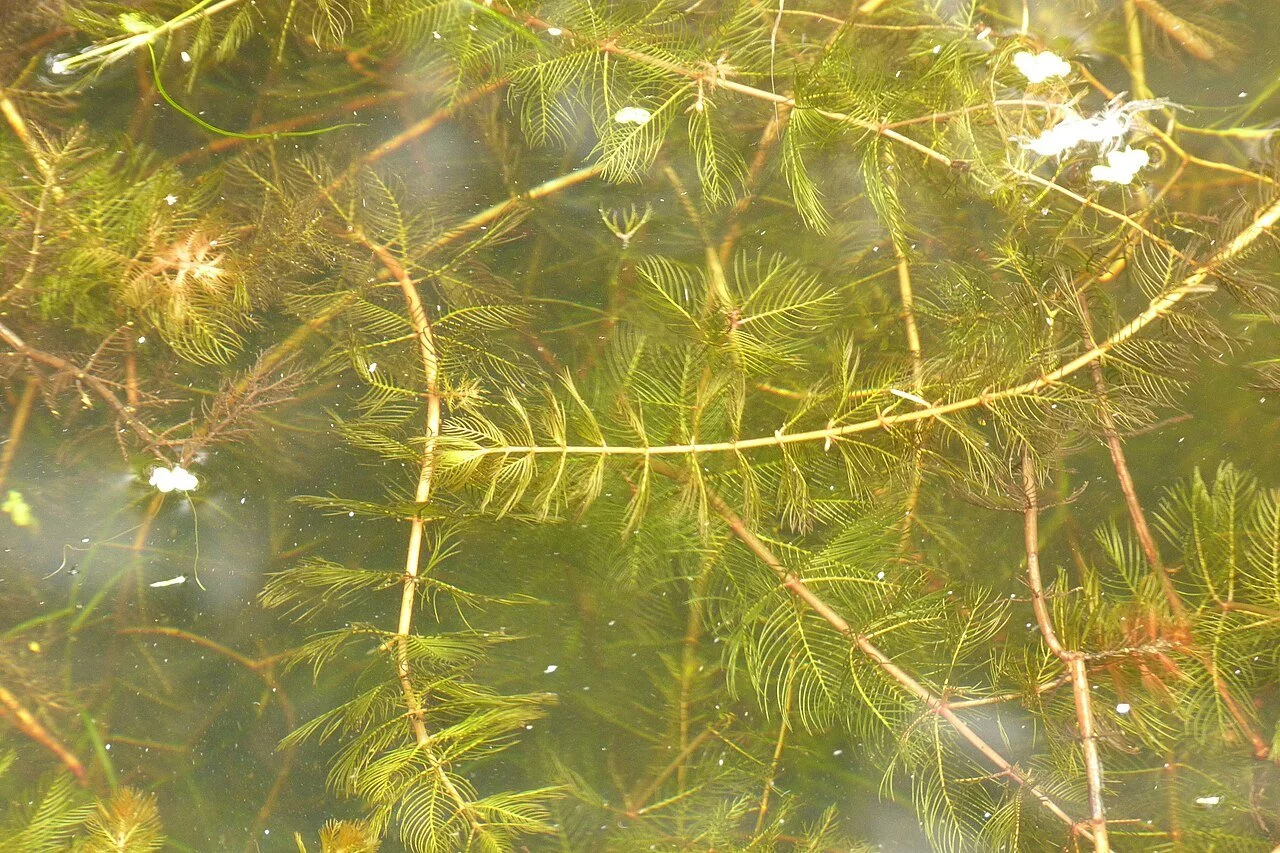
Donald Hobern from Copenhagen, Denmark, CC BY 2.0, via Wikimedia Commons
Nechamandra alternifolia
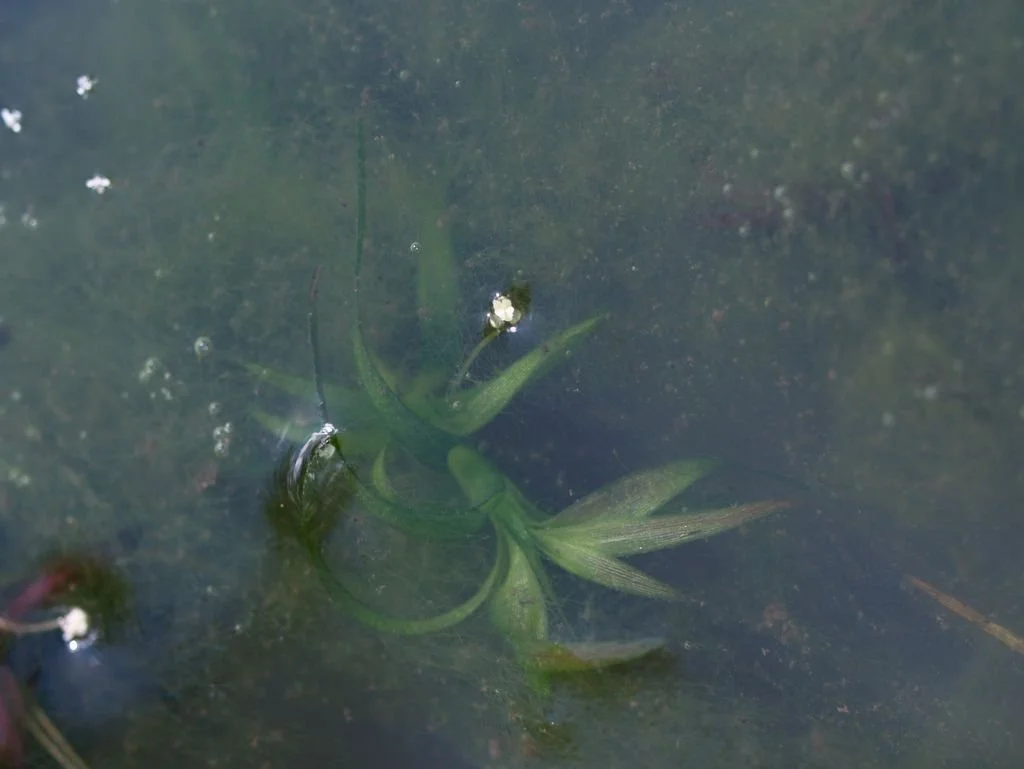
Ito Y, Barfod A, CC BY 4.0, via Wikimedia Commons
Oryza rufipogon (Wild Red rice)
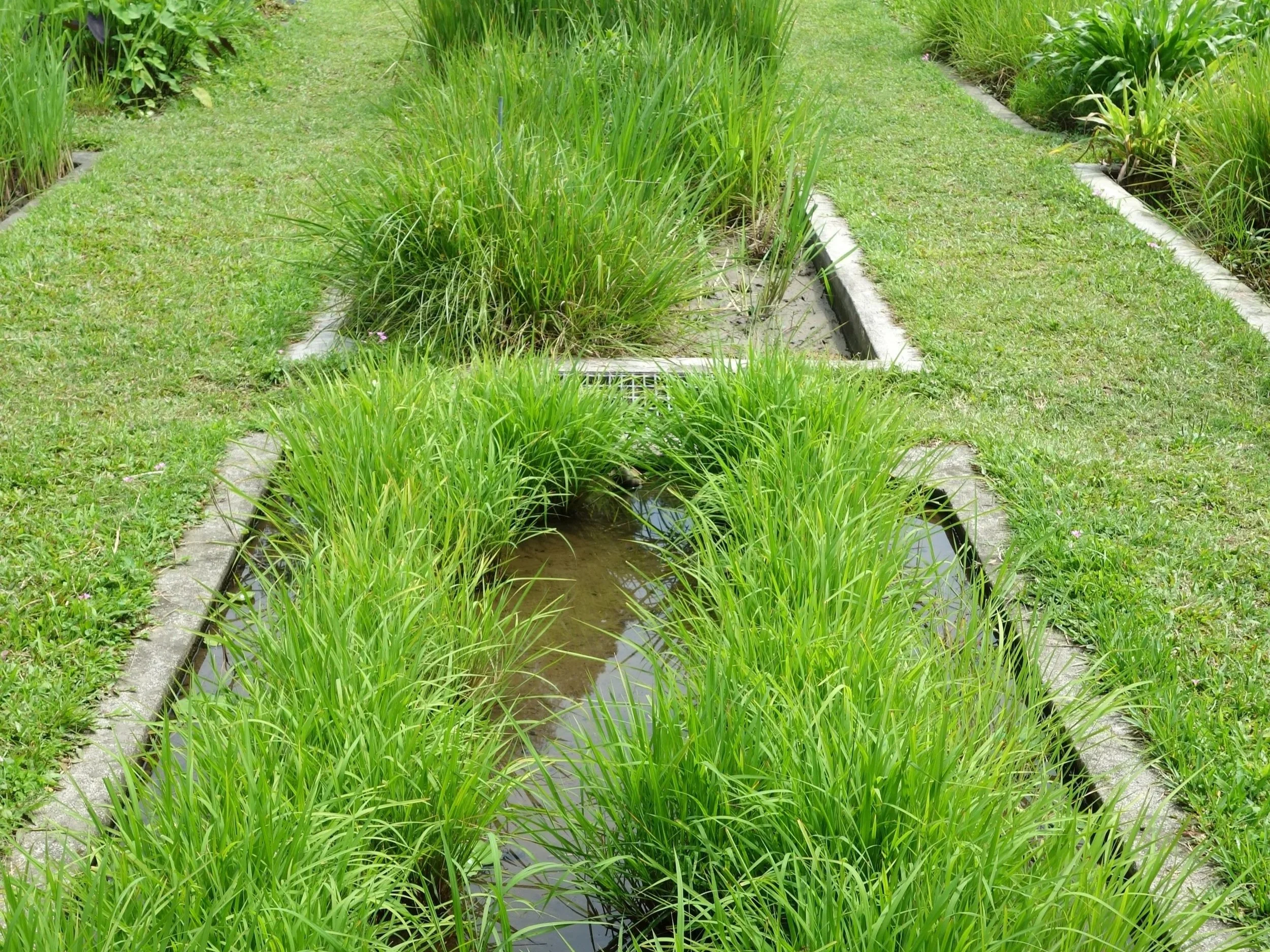
Daderot, CC0, via Wikimedia Commons
Pistia stratiotes (Water lettuce)
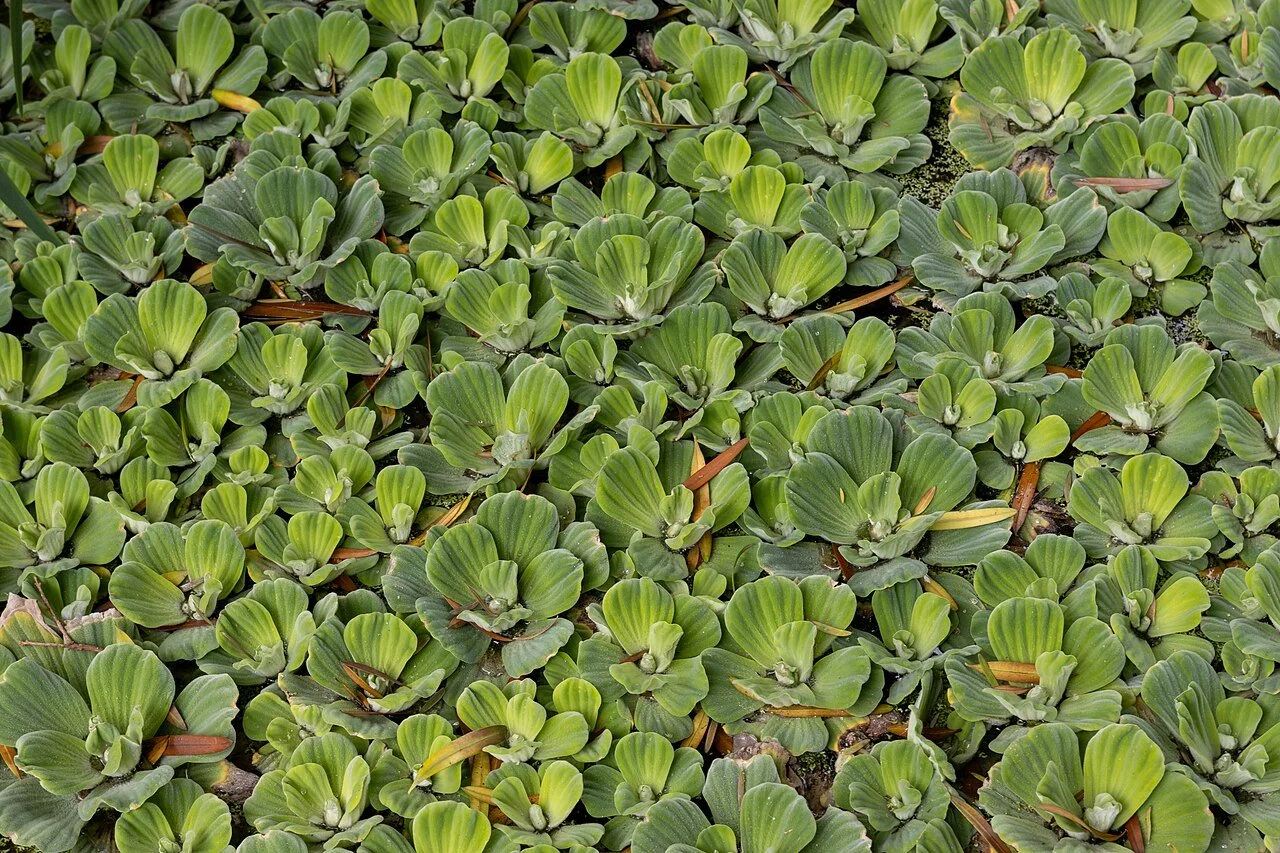
Photograph by Mike Peel (www.mikepeel.net)., CC BY-SA 4.0, via Wikimedia Commons
Pontederia rotundifolia (Tropical pickerelweed)
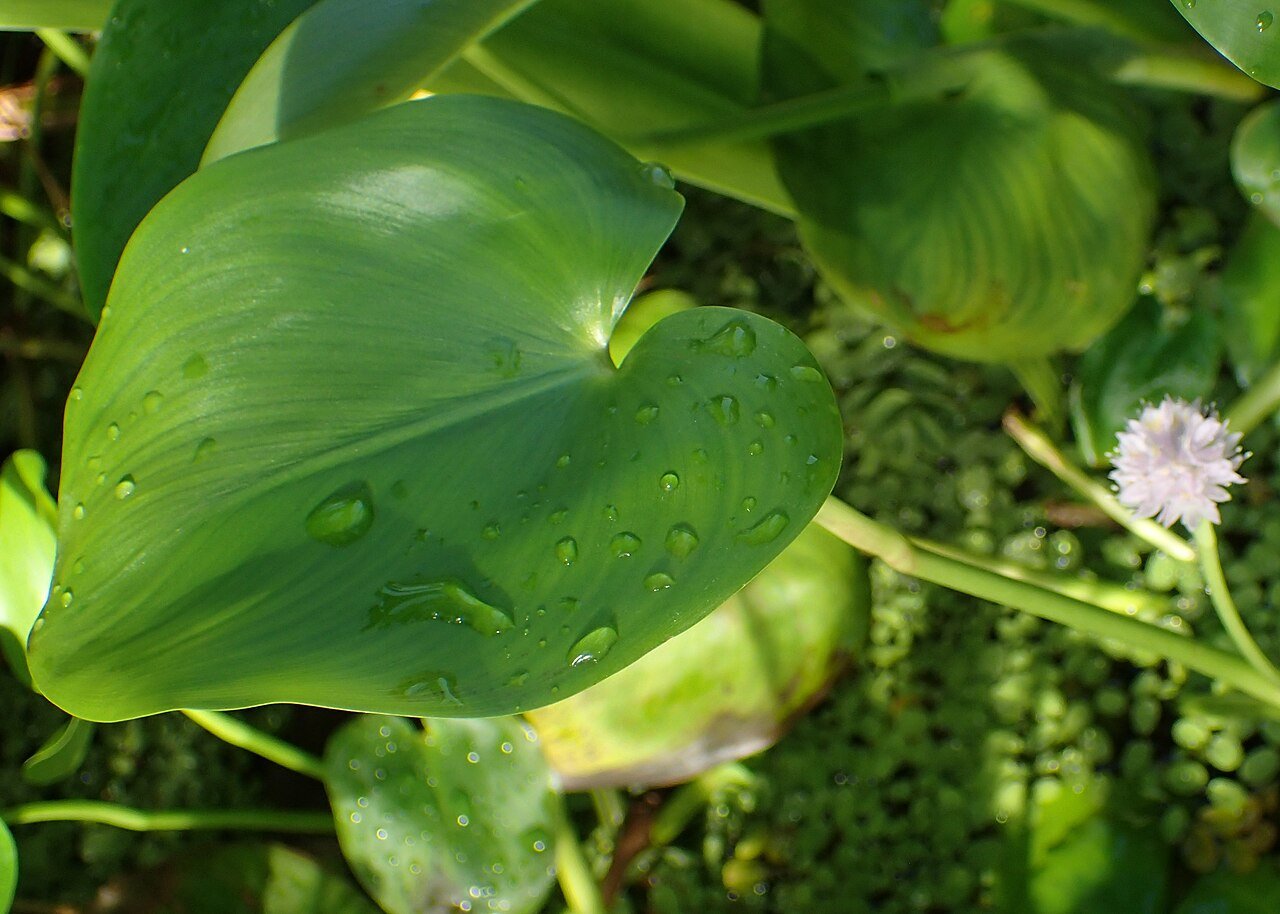
Krzysztof Ziarnek, Kenraiz, CC BY-SA 4.0, via Wikimedia Commons
Salvinia spp., (excluding S. minima)
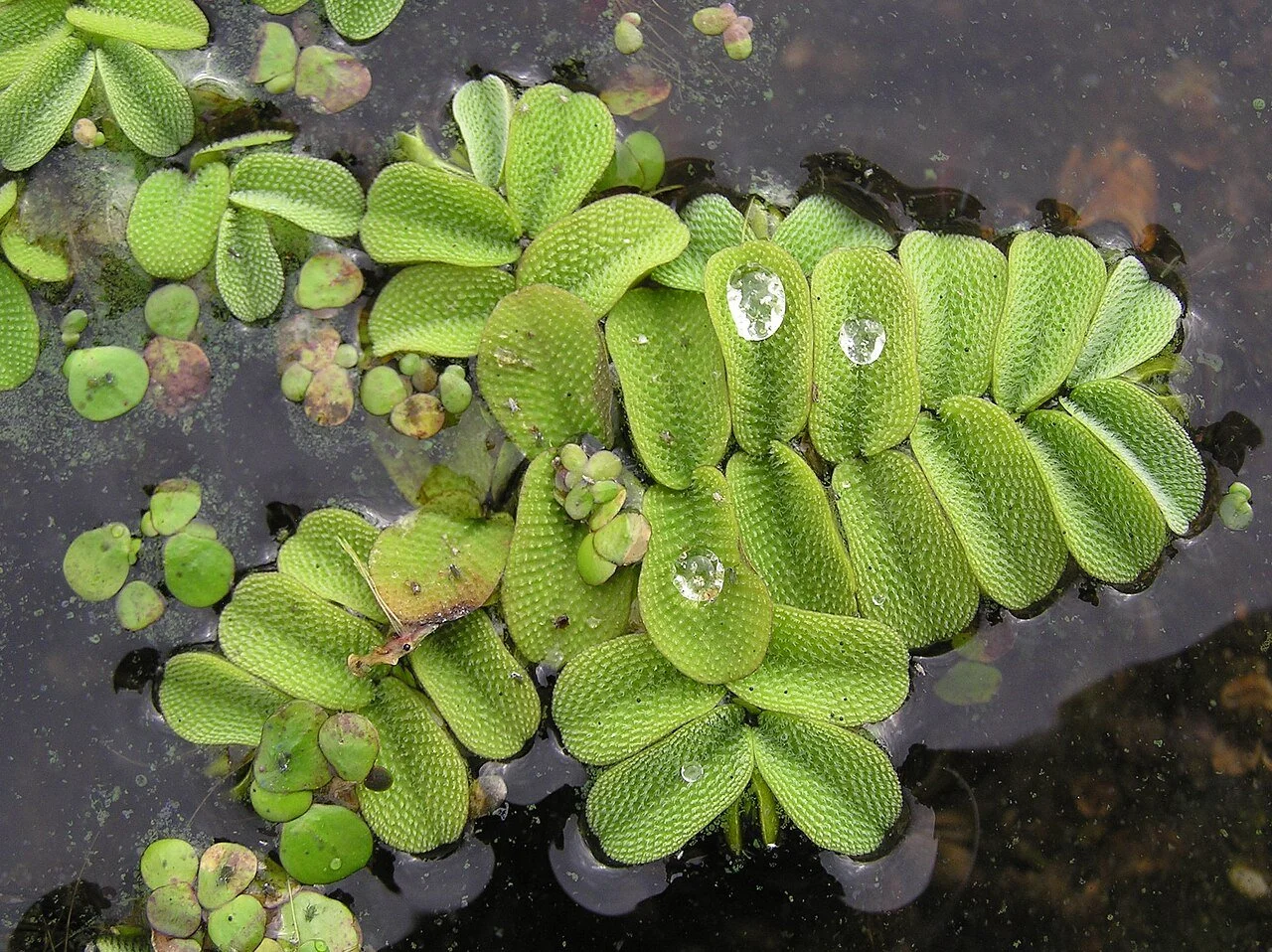
Salvinia natans By Le.Loup.Gris - Own work, CC BY-SA 3.0, https://commons.wikimedia.org/w/index.php?curid=16418453
Sparganium erectum (Exotic bur-reed)
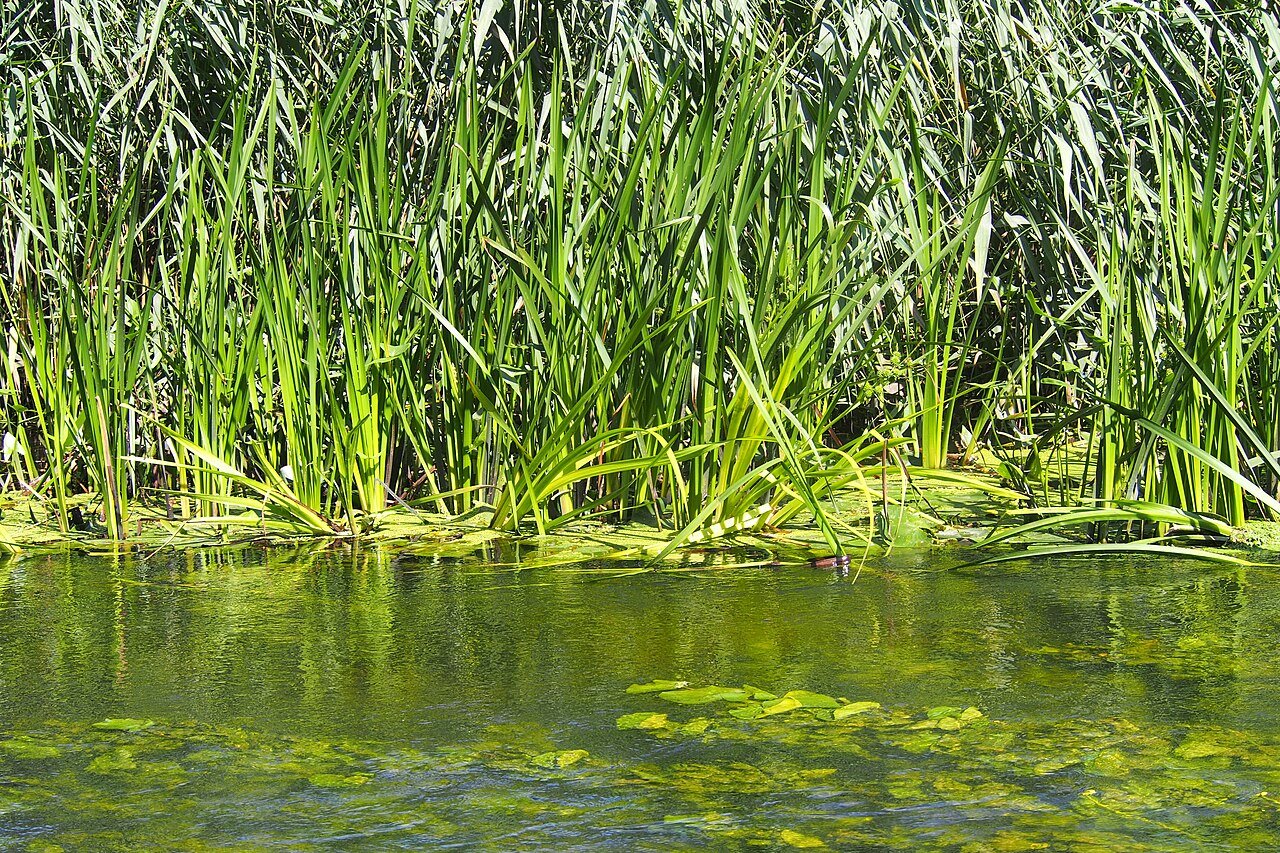
Agnieszka Kwiecień, Nova, CC BY-SA 4.0, via Wikimedia Commons
Stratiotes aloides (Water-aloe, soldier plant)
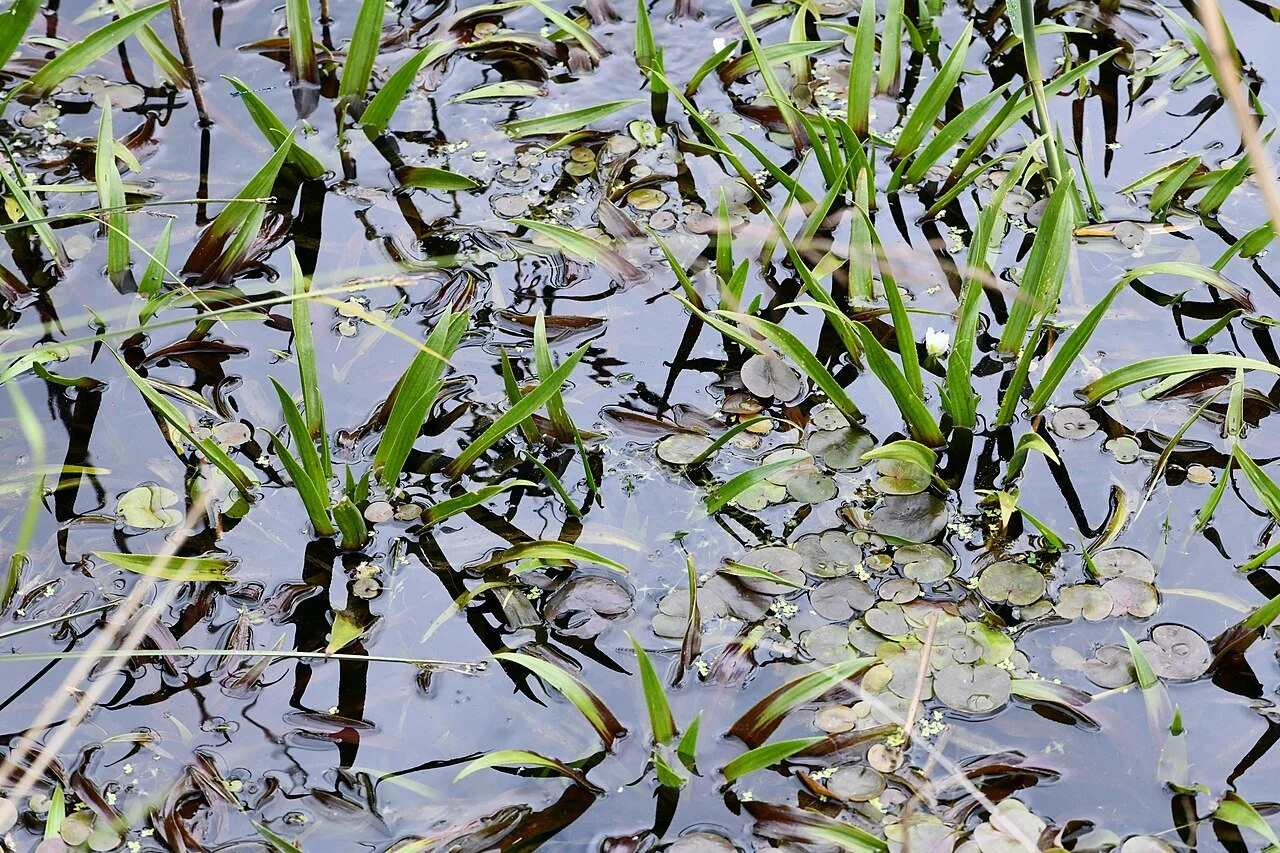
How Hill Nature Trail: Water soldiers 'Stratiotes aloides' by Michael Garlick, CC BY-SA 2.0, via Wikimedia Commons
Trapa spp. (Water Nut or Water chestnut)
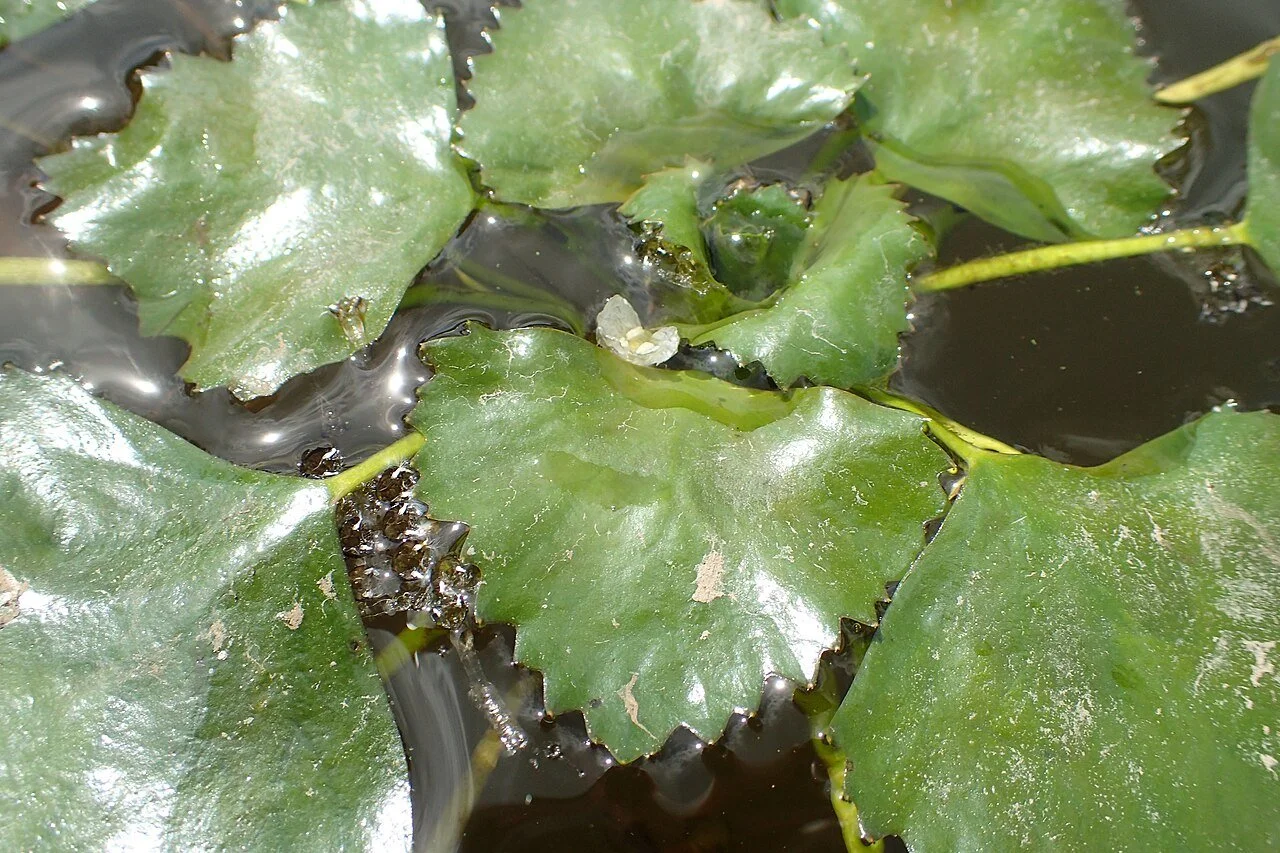
Krzysztof Ziarnek, Kenraiz, CC BY-SA 4.0, via Wikimedia Commons
Vossia cuspidata (Hippo grass)
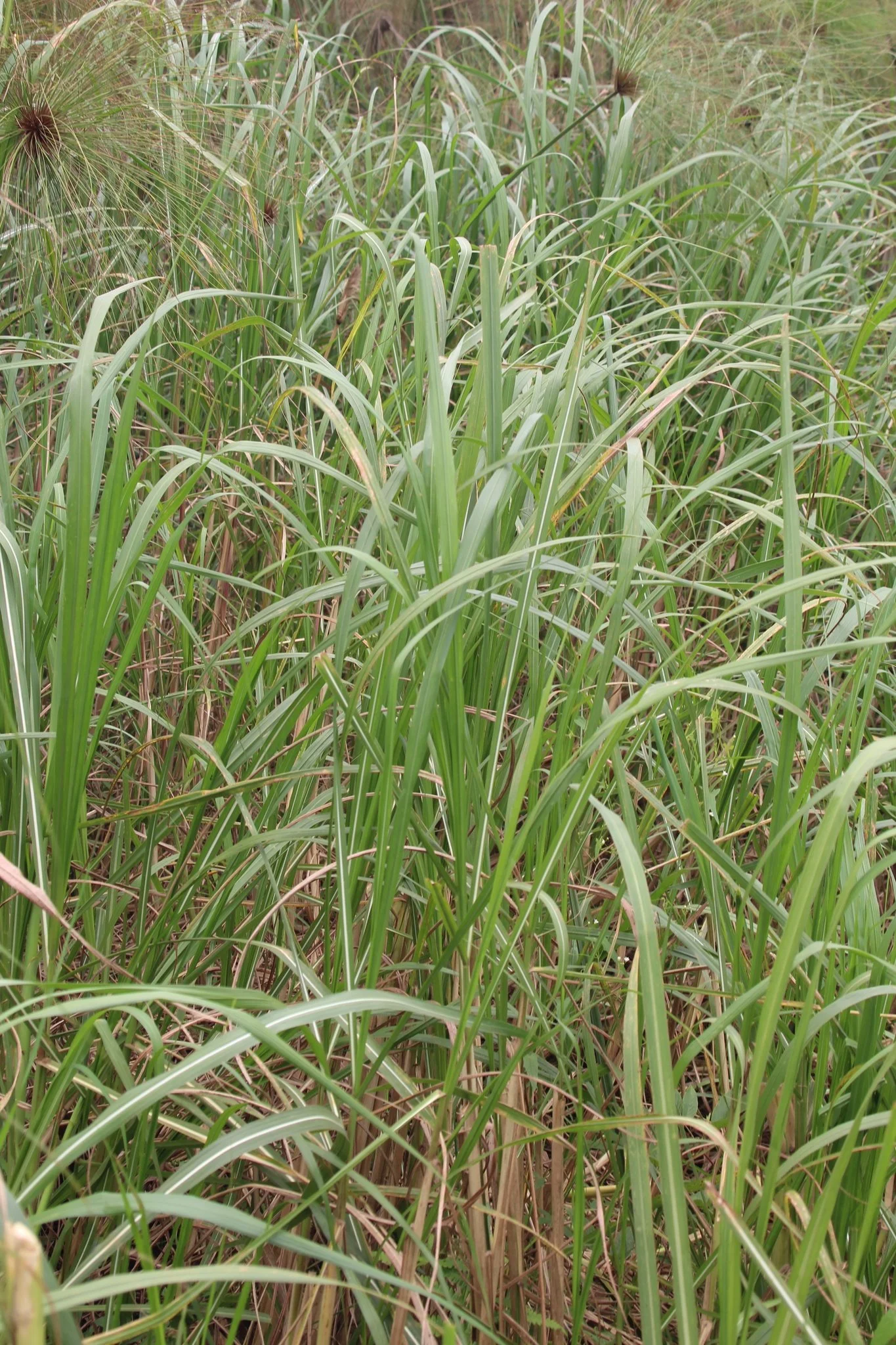
Erwin Sieben, CC0, via Wikimedia Commons


